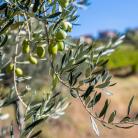







Oil flavours
First and foremost, it’s important to distinguish between SWEET and GREEN olive oils. These two fundamental categories are primarily influenced by the olive variety, the degree of ripeness, and the geographical location of the olive grove.
» Flavour profiles defined by cultivar
BITTER:
a characteristic flavour of oils made from green or slightly ripened olives; depending on its intensity, bitterness can range from pleasant to overpowering
ASTRINGENT:
A typical sensation found in certain oils that creates a drying or puckering feeling in the mouth during tasting
SWEET:
a smooth, pleasant flavour not due to actual sugar content, but rather the absence of bitterness, astringency, and pungency (this profile is typical of oils from coastal regions such as Liguria, Garda, Sardinia, Sicily, and Bitonto)
GRASSY:
a distinctive flavour present in some oils, evoking the aroma of freshly cut grass (common in oils from Sicily, Sardinia, and Garda)
FRUITY:
A flavour reminiscent of the aroma and taste of healthy, fresh olives picked at their optimal ripeness
ALMOND:
This flavour can appear in two forms: typical fresh almond notes or dry almond nuances, which are often mistaken for the early signs of rancidity
FRESH:
describes an oil that is fresh with vibrant aromatic qualities that endure over time when smelled.
ARTICHOKE:
a pleasant, distinctive artichoke-like flavour found in freshly produced oils
PUNGENT:
a sharp, stimulating characteristic often accompanied by aromas of olive fruit and grass
» Influenced by geographic origin
ORIGIN:
A distinctive set of aromatic characteristics consistently found in oils produced within the same geographical region
» Influenced by climatic conditions
FROZEN FRUIT:
oils obtained from olives that have been exposed to freezing temperatures display a flavour that is subtle on the nose but noticeable on the palate; these oils often have low viscosity and a taste reminiscent of dry wood
DRY:
this applies to oils made from olives that experienced drought conditions; such oils lack freshness and display little to no aroma of olive fruit
» Determined by the ripeness of the olives
ASTRINGENT:
oil made from unripe olives tends to be rich in polyphenols, which produce a distinctive mouth-drying sensation—similar to what you experience when biting into unripe fruit
» Determined by the harvesting method
NET:
a flavour reminiscent of rubber, typically found in sweet oils produced from olives that were left sitting in harvesting nets for too long
» Determined by the ripeness, duration, and conditions of olive storage
WINEY–VINEGARY:
a common flavour defect in certain oils, reminiscent of wine or vinegar; it is primarily caused by the alcoholic fermentation of sugars, leading to excessive levels of acetic acid, ethyl acetate, and ethanol
MUSTY–HUMID:
a characteristic flavour found in oils made from olives that developed mold and yeast after being stored in damp conditions for several days; it evokes the scent of entering a humid room that has been closed for a long time
FUSTY:
a typical defect in oils produced from olives that have been heaped and subjected to advanced fermentation (often lactic); this flavour is frequently accompanied by musty or winey notes
» Determined by oil extraction methods
VEGETABLE WATER VODA:
A typical flavour that develops when oil remains in prolonged contact with vegetable water due to inadequate decanting
PRESSING MATS (DIAPHRAGMS):
a defect found in oils extracted using mats (or diaphragms) that are soiled with fermentation residues
METALLIC:
a flavour reminiscent of metal, usually occurring in oils that have been in prolonged contact with metal surfaces under improper storage or processing conditions
» Determined by oil storage techniques
MUDDY SEDIMENT:
a defect found in oils that have not been properly decanted and have remained in prolonged contact with sediment
RANCID:
a common defect in oils and fats resulting from oxidation, typically caused by extended exposure to air, light, or heat